Telecom Customer Care Executive - Repair Center (B2 ( 250379 ) LMS Report @DBT Mohanlalganj Lucknow
28 Oct 2025
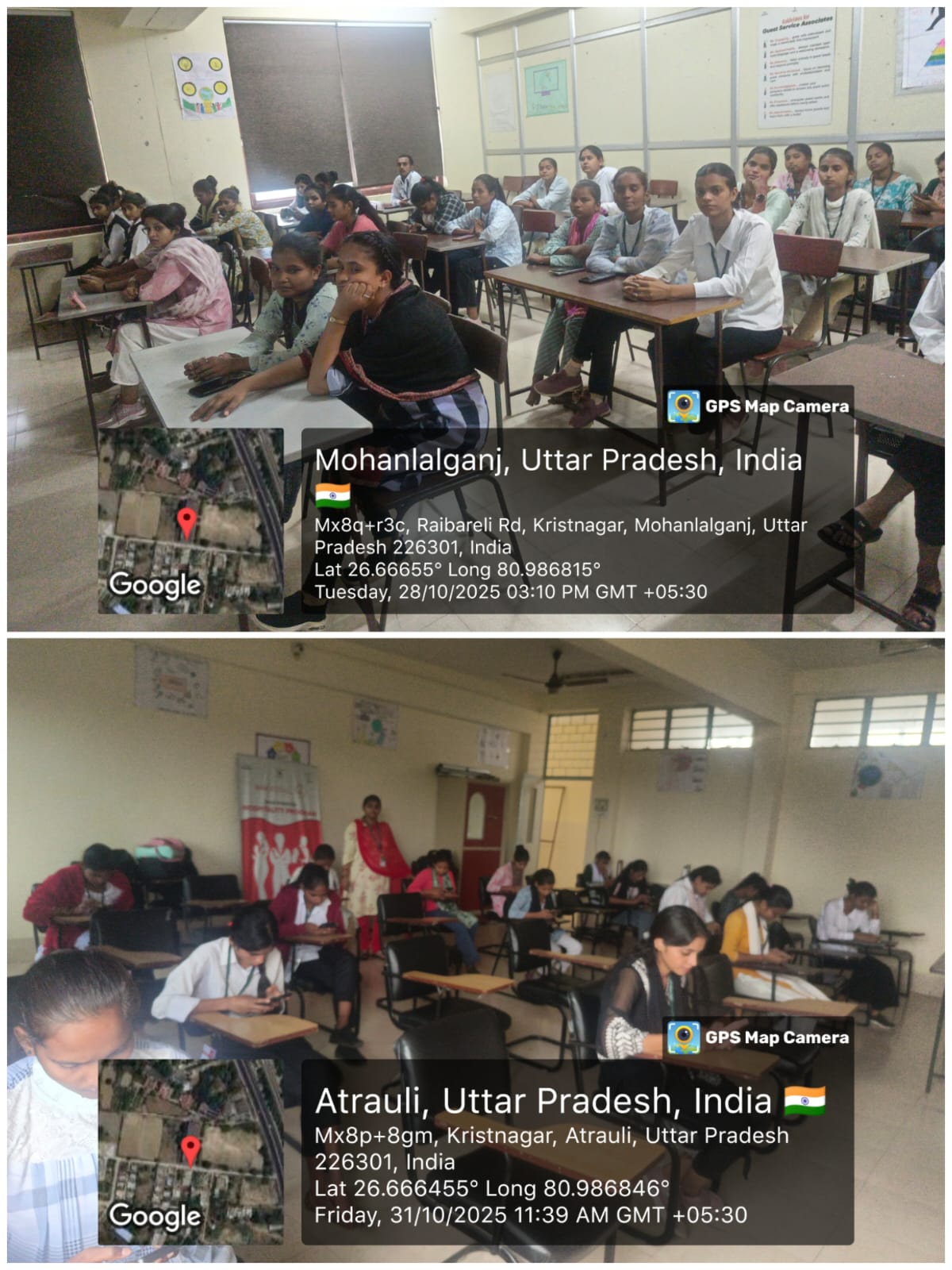
The Telecom Customer Care Learning Management System (LMS) training conducted on 28 October 2025 and 31 October 2025 brought together 28 dedicated participants from customer support functions, aiming to strengthen service delivery standards across the telecom sector. The program delivered a progressive and engaging learning experience that combined real-time industry challenges with structured knowledge-building across digital learning modules and live interactive sessions.
The training offered an in-depth exploration of key areas essential for today’s telecom service professionals. Modules covered mobile and internet product knowledge, billing systems, soft skills development, troubleshooting techniques, and customer experience best practices. Delivered through a blended learning model incorporating e-learning, virtual interactions, and hands-on simulations, the LMS allowed participants to learn at their own pace while being guided by structured learning objectives.
Performance data from the LMS showcased high engagement and participation. Employees actively took part in discussions, assessments, and feedback surveys. Completion rates across most modules indicated high involvement, and average time spent on learning materials pointed to genuine commitment and focus. The few drop-offs recorded were primarily linked to scheduling constraints, suggesting future opportunities for more flexible pacing.
Learning outcomes demonstrated clear improvement. Assessment comparisons before and after training recorded measurable gains in product clarity, problem-solving, and customer communication. Participants reported increased confidence in addressing customer concerns and applying troubleshooting steps more accurately in real-world scenarios. Feedback collected from surveys highlighted appreciation for the practical nature of the modules and the immediate relevance of the lessons to on-the-job responsibilities.
The training showed positive impact on customer care performance indicators. Early reports suggested an increase in First Call Resolution rates and a decline in average handling times. Many representatives noted that the techniques and frameworks introduced helped reduce repeated follow-up interactions, leading to smoother customer experiences. Customer satisfaction indicators also saw encouraging improvement, supported by more confident and empathetic communication from service teams.
However, the program also brought to light some areas for refinement. Participants expressed the need for deeper modules on handling complex or technically advanced service issues. Occasional LMS interface and accessibility challenges were also noted, which, if addressed, could further streamline the learning journey. The addition of gamified learning elements was identified as a strong future opportunity to boost motivation and retention of concepts.
Looking ahead, the program paves the way for continued refinement and expansion. Suggestions include the development of refresher courses, enhancement of interactive elements, additional advanced technical content, and improved user experience within the LMS. The success of the initiative marks a promising step toward wider capability building across the telecom customer support ecosystem.
The LMS training programs held on 28 October 2025 and 31 October 2025 demonstrated the value that structured learning can bring to telecom service delivery. With tangible improvements in performance metrics and encouraging participant feedback, the program reflects Don Bosco Tech Society’s commitment to equipping professionals with relevant skills, fostering continuous learning, and strengthening service excellence in a rapidly evolving digital industry.